
What is Biochar?
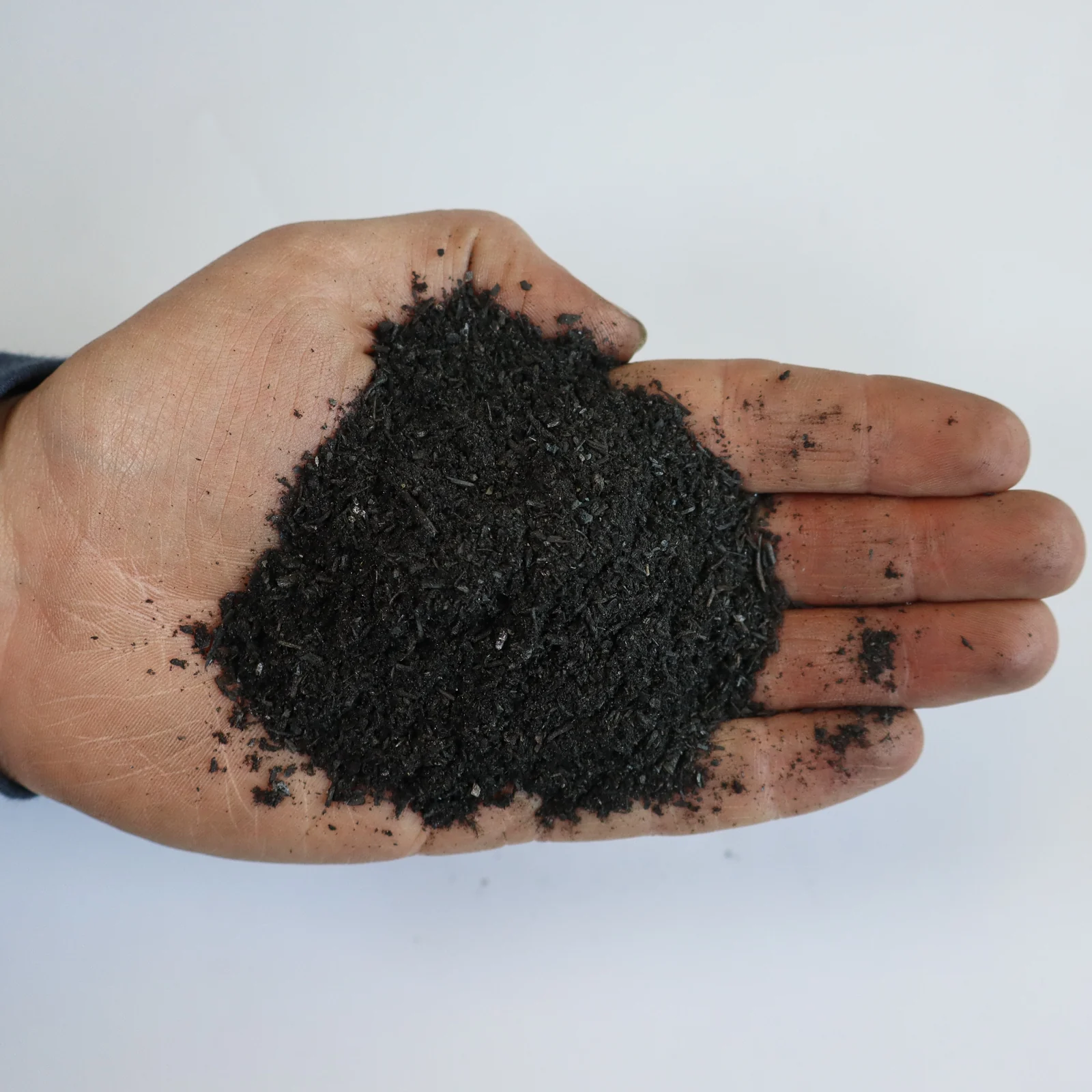
Biochar is a stable, carbon-rich material produced by heating organic wood waste at high temperatures, creating a highly porous stable carbon structure.
It improves soil health, retains nutrients and water, supports microbial life, reduces nutrient leaching, and provides long-term carbon storage for agriculture, landscaping, water filtration, and land restoration applications.

How Biochar is Created
It’s made when clean organic biomass is heated at high temperatures with limited oxygen to create a thermo-chemical reaction. This process, called pyrolysis, creates a stable, high-quality form of charcoal designed for long-term performance.

Biochar Has a Porous Surface
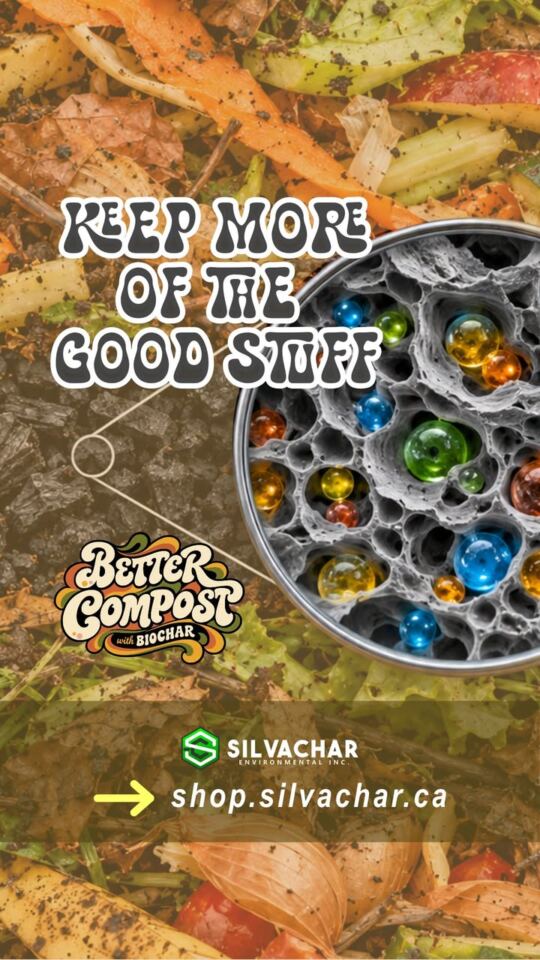
Because biochar has an ultra-porous structure with an exceptionally high surface area, it works like a carbon sponge, holding water, nutrients, and beneficial microbes where they’re needed most.

Benefits
In gardens and composting, it helps reduce nutrient leaching, improves moisture retention, and supports healthier soil biology. In agriculture and greenhouse production, it can improve root-zone conditions, boost nutrient efficiency, and help stabilize soil structure. And in llarger-scale applications like soil reclamation and water filtration, biochar can help capture contaminants, improve drainage and aeration, and support long-term restoration of degraded land, while storing carbon for centuries.
Why use Biochar
Trees naturally capture CO2 from the atmosphere through photosynthesis, expelling the oxygen and storing carbon in its woody structure. When wood is processed into biochar its molecular structure changes and becomes very stable, storing carbon for centuries.
Improves Crops Yields
Studies show that when biochar is added to soil, crops are healthier and more robust resulting in a significant boost in quality and above and below ground biomass.
Water & Nutrient Retention
The porous, sponge like attributes of biochar, allow it to absorb water and nutrients promptly, and release them slowly. This gives plants long term access to water and nutrients thus maximizing irrigation and fertilizer efficiency.
Soil Health
Soil organic carbon content, micro organisms, fungi and other soil characteristics will be enhanced and diversified resulting in increased root health and uptake efficiency of the plants.
Reduced Food Production Costs
By integrating biochar into agricultural soils, food crops will use water and fertilizers more efficiently, thus reducing overall crop and food production costs.
Create Long-Term Environmental Benefits and Socio-Economical Opportunities
By reducing GHG emissions, sequestering atmospheric CO2, boosting crop yields and filtering water, biochar utilization will provide multiple social and environmental benefits.
Forest Waste Recycled
Forestry is one of the largest industries in Canada. providing lumber, paper, power and other essential products and services. Harvesting residual biomass (limbs, tops, broken pieces, and trim ends) that don’t meet merchantable product requirements are piled and burned to mitigate wildfire and pathogen risks. Millions of tons of forest waste are burned each year emitting gigatons of greenhouse gasses. SilvaChar is committed to utilizing this forest waste to create a value added product (biochar), providing social, economic, and environmental benefits.
Where to use Biochar?
Biochar can be used in the soil in locations such as these:

Farms, Vineyards, and Orchards
• Holds water + nutrients in the root zone (less leaching)
• Improves soil structure, aeration, and root growth
• Boosts microbial life and fertilizer efficiency
• Helps crops handle drought and stress better
• Long-term soil carbon that lasts for centuries

Nurseries and Greenhouses
• Improves water retention without drowning roots
• Better airflow in potting mixes (healthier roots)
• Reduces nutrient runoff from pots and trays
• Supports beneficial microbes in the root zone
• Helps plants stay more consistent and resilient

Landscaping and Golf Courses
• Greener turf with less watering
• Reduces fertilizer loss and nutrient leaching
• Improves drainage while holding moisture
• Helps turf recover faster from traffic and heat
• Builds long-term soil performance

Home Gardening and Hobby Farms
• Makes soil easier to manage (water + nutrients retention)
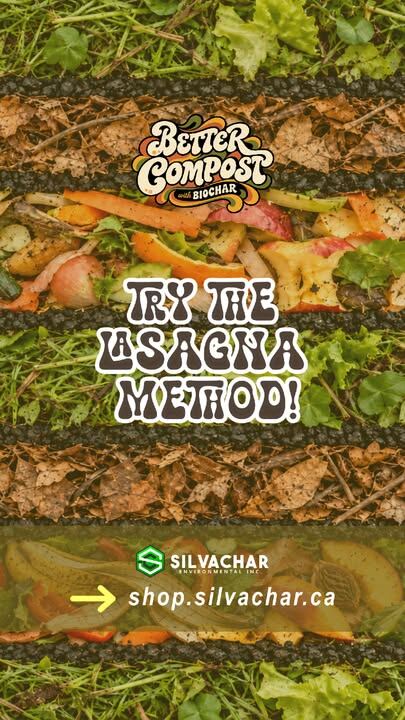
• Improves compost by locking in nutrients
• Helps plants grow stronger roots and stay healthier
• Reduces watering needs over time
• One application keeps working for years

Industrial Sites
• Helps remediate soils by binding many contaminants
• Improves disturbed soils for revegetation
• Reduces erosion by improving soil structure
• Supports faster plant establishment on reclaimed land
• Durable, long-term carbon-based solution

Water Filtration and Odor Control
• High surface area = strong adsorption power
• Helps remove dissolved organics in water
• Reduces odors in composting, livestock manure, and organic waste products
• Helps control moisture and odor in bedding systems
• Can be used in filtration media and treatment systems
Our Climate Impact
Making a difference through circular economy.
1 ton
BIOCHAR APPLIED TO SOIL
=
2.5 tons
c02 removed from the atmosphere
“Biochar is the carbon removal powerhouse that delivers environmental, social, and economic impact right here, right now.”
International Biochar Initiative
Meet Our Team
Get to know the dedicated individuals behind Silvachar

Terry Smith
ceo

Kevin Smith
vice president
Contact Us
For any inquiries or questions, do not hesitate to contact us.
Talk to a Biochar Specialist
Leave your information and we will reach back.